What Paperwork Should Say Lab Grown Diamond Clearly: A Buyer’s Guide
If you’re shopping for a lab grown diamond, understanding the paperwork that comes with your stone is essential. Unlike traditional mined diamonds, lab grown diamonds must be clearly disclosed in all official documentation to avoid confusion and ensure you’re making an informed purchase. This guide will explain what you should expect on diamond documentation, how to verify authenticity, and the key information related to the Four Cs. We’ll also reference trusted names like Hatton Garden Jewellers, expert grading resources such as the Gemological Institute of America (GIA), and the importance of verifying report numbers through official databases. Let’s dive into everything you need to know about lab grown diamond disclosure and grading report origin.
Why Lab Grown Diamond Disclosure Matters
One of the biggest annoyances in diamond buying is vague wording such as “certified” without stating what exactly is certified, and by whom. When it comes to lab grown diamonds, transparency is particularly crucial because the value and characteristics differ from natural diamonds. Laws and industry standards require that whether in a certificate or paperwork, the origin and nature of your lab grown diamond must be spelled out clearly. This protects you as a buyer prong setting and helps maintain trust with reputable sellers like Hatton Garden Jewellers, who prioritize full disclosure.
Key Elements of Proper Disclosure
https://bizzmarkblog.com/marquise-diamond-looks-huge-is-it-just-the-shape/- Explicit mention of “Lab Grown” or “Synthetic” Diamond in the documentation.
- Origin lab or manufacturer details — where and how the diamond was created.
- Grading report origin and laboratory name, such as the Gemological Institute of America (GIA) or other recognized agencies.
- Unique report or certificate number that you can verify online in the laboratory’s report number database.
- Full Four Cs grading details including cut, clarity, color, and carat weight.
Grading Reports: Verifying Authenticity and Origin
Among the industry leaders in diamond grading is the Gemological Institute of America (GIA). They provide comprehensive grading reports that are considered the gold standard in the sector. When dealing with lab grown diamonds, a GIA report will explicitly state whether the diamond is lab grown, along with detailed metrics for each of the Four Cs.
Before discussing pricing or any value changes with your jeweller or dealer, my golden rule is to always ask for the report number. This number acts as the diamond’s fingerprint in the grading lab’s database. You can input it on the GIA website or other certification bodies' portals to confirm that the report matches the diamond you possess. This step is critical in verifying authenticity and ensuring the grading report is not forged or misplaced.
While browsing for lab grown diamonds, keep a keen eye on phrases like “certified” with no laboratory named. Proper grading reports from labs like GIA, IGI, or AGS will always have a report number and clear lab grown disclosure, eliminating doubt about origin.
Online Tools and Databases to Verify Report Numbers
- GIA Report Check – check report numbers for GIA-graded diamonds.
- IGI Report Verification – international lab with extensive lab grown diamond grading.
- Third-party marketplaces and jewellers, including Hatton Garden Jewellers, often provide direct access to grading report verification tools or upload scanned reports for transparency.
The Four Cs Trade-offs: Why Cut Drives Sparkle More Than Carat
Understanding the Four Cs — Cut, Color, Clarity, and Carat Weight — is key when interpreting grading reports. A common misbelief is that carat weight alone defines a diamond’s beauty, but this is a mistake. While carat measures size by weight, it doesn’t necessarily correlate with how big or brilliant a diamond appears to the naked eye.
Cut: The Most Important Factor for Sparkle
The cut affects how light behaves inside the diamond, which directly governs its brilliance and fire. In fact, many jewellers and diamond experts consider cut the most critical factor after confirming a diamond is natural or lab grown. Even a large 1-carat diamond with a poor cut will appear dull compared to a smaller diamond with an excellent cut.

Refer to resources like the GIA Diamond Quality Factor pages to better understand how specific grading criteria impact a diamond’s visual appeal.
Clarity and Color
Lab grown diamonds generally have excellent clarity, often surpassing the clarity of mined stones in similar price ranges. Color grade impacts the diamond’s visual warmth or coolness, but excellent cut can compensate for slight differences in color grades when it comes to sparkle.
Carat Weight vs Visible Size
Carat measures the diamond's weight, but because diamonds with different proportions can weigh the same yet appear different in size, it’s crucial to look at measurements (mm) and proportions given in your grading report. Here’s a quick comparison table to help visualise typical carat weight vs visible size:
Carat Weight Approximate Diameter (Round Cut) Perceived Visible Size 0.50 ct 5.0 mm Small but noticeable 1.00 ct 6.5 mm Medium, classic size 1.50 ct 7.4 mm Large, eye-catching 2.00 ct 8.2 mm Very large and impressiveShape and Its Impact on Perceived Size
Beyond carat and cut quality, the shape of the diamond dramatically influences how large it looks when worn. Lab grown diamonds come in all standard shapes—round, oval, pear, marquise, emerald, princess, cushion, and more—but the elongated shapes such as oval, pear, and marquise often appear larger than round diamonds at the same carat weight.
- Oval Cut: Offers an elongated face-up appearance, looking bigger than round diamonds of the same weight.
- Pear Shape: Combines the sparkle of a round with an illusion of length and can elongate fingers.
- Marquise: Known as the “navette” or boat-shaped, it maximizes surface area and can appear substantially larger.
- Round Cut: Classic and brilliant but usually has less surface area for its carat weight compared to fancy shapes.
When reviewing grading reports, check the measurements (length x width) and compare these dimensions to see how the diamond's shape can affect its perceived size on your finger or pendant.
Lab Grown Diamonds and Mobile Casino App Analogy (MRQ)
Think of lab grown diamond grading reports as the “mobile casino app (MRQ)” of the jewellery world. Just as MRQ ensures transparency and fairness in mobile gambling by verifying game outcomes through certified systems, reputable grading reports verify your diamond’s authenticity and makeup. Both ask you to trust their numbers, but always encourage you to cross-check – either by using in-app verification or online report number databases.
By taking ownership of verifying your diamond’s paperwork and grading reports, you reduce the risk of surprises and make confident purchases.
Summary Checklist: What Your Lab Grown Diamond Paperwork Must Include
- Clear Lab Grown Disclosure: The paperwork must explicitly state the diamond is “Lab Grown” or “Synthetic.”
- Grading Laboratory Name: Trusted labs like GIA or IGI with a verifiable reputation should be named.
- Report Number: Unique and verifiable in the laboratory’s online database.
- Complete Four Cs Details: Cut, color, clarity, and carat should be fully graded and visible.
- Measurements and Proportions: To understand size vs carat trade-offs and shape influence.
- Shape Identification: Clearly stated, so you know how size perception will be affected.
- Return and Resizing Policies: Don’t let these be hidden in tiny footer links—ask your jeweller upfront.
Final Thoughts
Buying a lab grown diamond is an exciting and responsible choice, often offering superior quality and value compared to mined stones. However, the key to a great purchase lies in the paperwork. Insist on full, explicit lab grown diamond disclosure, a trusted grading report from reputable labs like the GIA, and always verify the report number. Pay particular attention to cut and shape, not just carat, to choose a diamond that truly shines and suits your style.
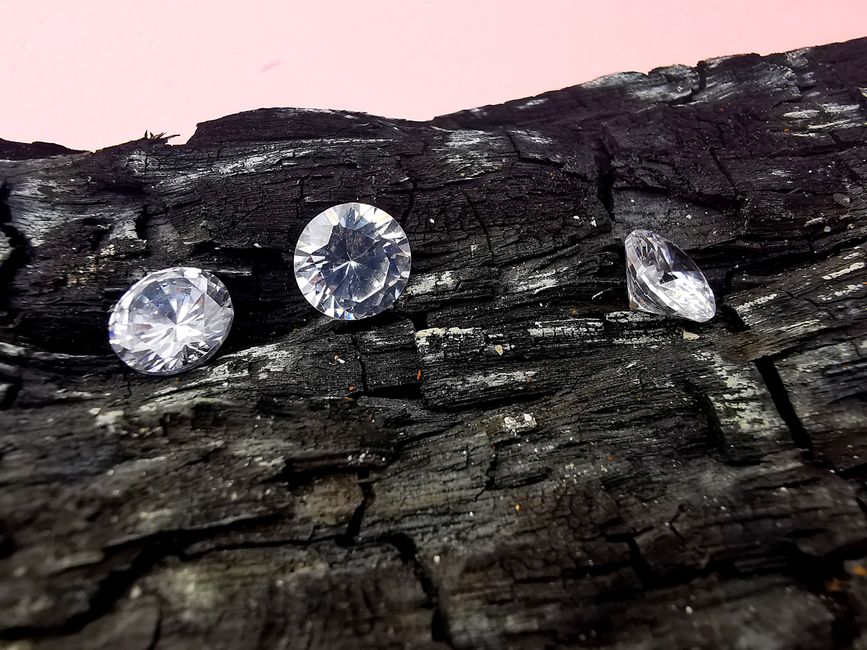
For a trusted shopping experience and expert advice, reputable names like Hatton Garden Jewellers offer lab grown diamonds with complete transparency. When in doubt, ask questions, demand clear paperwork, and verify reports yourself before committing to a purchase.
Happy diamond hunting!