Recovery Shoes: Are They Worth It for Everyday Wear?
Recovery shoes have crossed over from post-workout accessory to everyday footwear. The category now includes slides, clogs, sandals, and sneakers that promise cushioning, support, or a more comfortable step after time on your feet. The appeal is easy to understand: luxury is shifting from special-occasion dressing toward the things people use every day, and wellness language has become part of fashion’s sales vocabulary.
But a soft landing is not automatically a good fit, and “recovery” on a product page is not proof of a health benefit. Whether recovery shoes are worth wearing daily depends on what they’re designed to do, how they fit your feet, and whether their comfort holds up beyond a quick try-on. Think of them as one possible tool in a daily footwear rotation—not a treatment, a status symbol, or a universal replacement for your usual shoes.
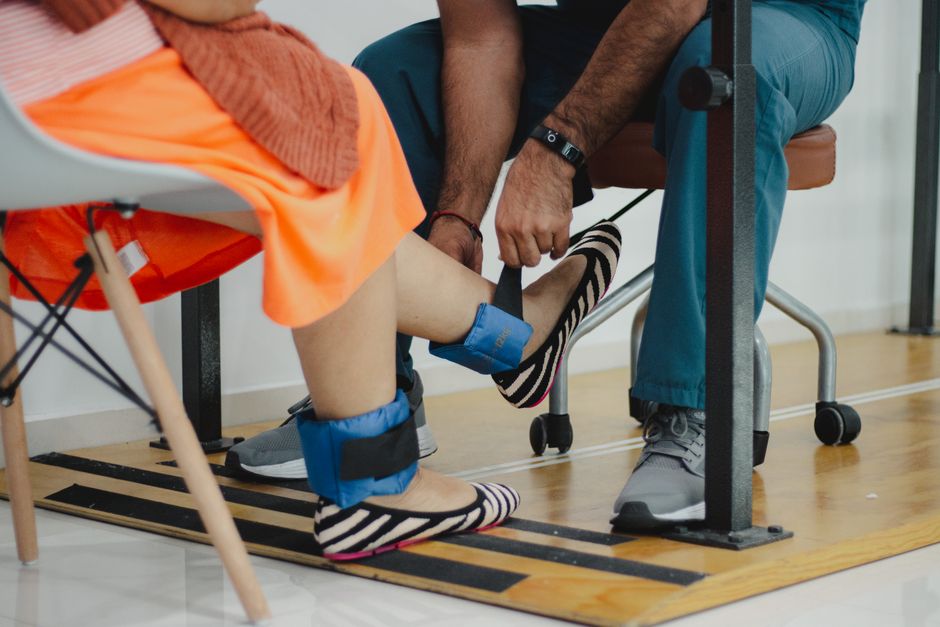
 For daily use, comfort is more than a thick sole: fit, materials, and stability matter too.
 What Counts as a Recovery Shoe?
There is no single construction that defines the recovery shoe category. Many styles use thick, resilient foam, a contoured footbed, a rocker-shaped sole, or an easy-on silhouette. Some are open-toe slides intended for short periods after training; others resemble sneakers and are marketed for longer walks or all-day wear. The shared idea is to make standing and walking feel less demanding, often through cushioning and a shape that reduces pressure in certain areas.
That description is different from saying a shoe can speed muscle repair, prevent injury, or correct a medical condition. Those are stronger claims and need stronger evidence than a brand’s product copy. If a company promises a specific therapeutic outcome, look for clear supporting documentation and ask a qualified health professional whether the shoe is appropriate for you.
It also helps to separate three things that can get blurred together:
- Cushioning: how soft or shock-absorbing the sole feels underfoot.
- Support and stability: how well the shoe holds your foot and guides it through a step.
- Recovery claims: statements about helping the body recover, which should not be assumed from softness alone.
A shoe can feel plush without being stable. And a firm shoe can feel supportive to one person but uncomfortable to another. It's not always that simple, though. The best test is not whether a product sounds scientific; it is whether it fits your foot and the activity you plan to do.
Why They’re Showing Up in Everyday Wardrobes
Luxury is moving closer to the daily routine
Fashion’s definition of luxury has broadened. Instead of reserving the best materials and most thoughtful construction for a special event, shoppers increasingly want quality in the things they wear to commute, travel, work from home, or run errands. Shoes are an obvious place for that shift: they carry the body through the day, and poor comfort is difficult to ignore.
That does not mean a recovery shoe is luxurious simply because it is expensive or has a sculptural sole. The more useful question is whether the design earns its place through materials, construction, and repeat wear. Does the footbed hold its shape? Does the upper rub? Can the shoe handle the settings where you intend to wear it? Everyday luxury is less about a rare occasion than a reliable experience.
Wellness language has become fashion language
Wellness now appears across apparel, beauty, and footwear branding. Companies have learned that comfort and care are compelling product stories. That can be useful when it points to specific choices—such as a soft lining, a supportive strap, or a washable upper. It becomes less useful when words like “restore” or “recharge” stand in for details.
Ask yourself this: for example, lululemon is widely associated with technical activewear and comfort-led design. That context may help explain why shoppers are open to footwear that moves between exercise and everyday life. It does not, by itself, verify every claim made about a particular shoe. Read the product description closely and distinguish materials and construction facts from general wellness language.
The same scrutiny applies across the market, including companies known for wellness products in other categories. Joy Organics, for instance, is a name consumers may recognize from wellness retail; that familiarity should not be treated as evidence about a shoe’s performance. Evaluate footwear on footwear-specific design, fit, and documentation.
Quiet status signals are replacing loud logos
A recovery shoe can signal a preference for comfort without relying on a prominent logo. Its shape, material finish, and understated color palette may do the talking. In that sense, comfort can work like a logo: it communicates taste through the way someone chooses to move through a day rather than through a big mark on the side.
But the status story is not the useful part of the purchase. A polished product image can make a foam slide look more versatile than it is. Ask whether the shoe works with your clothes and routine, rather than whether it projects a particular lifestyle. Good design should hold up when the styling is gone.
The Comfort Design Brief: More Than a Soft Sole
For daily use footwear, comfort is not one feature. It is a design brief that has to account for fit, materials, movement, temperature, and the surfaces you encounter. A shoe that feels great on a carpeted showroom floor may behave differently after an hour on pavement.
Fabric hand and sensory detail
“Fabric hand” is the way a material feels in contact with skin: smooth, brushed, stiff, slick, or textured. Recovery shoes often put less material between the foot and the shoe than a conventional sneaker, so small details matter. A seam at the wrong reveriepage.com point can create a hot spot. A strap that looks minimal may press across a sensitive area. A lining that feels soft at first may become warm or clingy during a long day.
When trying a pair, notice more than the cushioning. Check the edge of the footbed, the inside of the strap, and any seam or join that touches your foot. If you are buying online, look for close-up product images and a detailed materials list—not just a lifestyle photograph.
Seamless construction and secure fit
Seamless construction can reduce friction, but it cannot compensate for a poor fit. The heel should not slide around excessively, and the foot should not spill over the edges of the sole. In an open slide, the strap needs to hold the foot without pinching. In a closed shoe, consider whether the toe box gives your toes enough room and whether the upper bends naturally as you walk.

That matters because an unstable shoe may encourage you to grip with your toes or alter your stride to keep it on. A deeply cushioned sole is not a benefit if the shoe feels awkward or insecure. Try walking, turning, and standing in place before deciding.
Cushioning, shape, and stability
Some people enjoy a rocker-shaped sole that rolls forward; others find the shape unfamiliar. A high, soft platform can also feel less stable on uneven ground than a lower, firmer sole. There is no universally correct setup. The right balance depends on your feet, your gait, and where you will wear the shoes.
Consider the surface, too. A smooth indoor sole may not have enough grip for wet sidewalks. Open slides may be convenient around the house but less practical for a crowded commute. If you want one pair for extended walking, prioritize secure fit and traction alongside softness.
Are Recovery Shoes Worth It for Everyday Wear?
They may be worth it if they solve a specific, ordinary problem: your current shoes feel harsh after standing all day, you want an easy pair for short errands, or you need a comfortable option for travel and downtime. They are less compelling if the main reason to buy is an unverified promise that the shoe will heal soreness or improve recovery in a measurable way.
Use this checklist before purchasing:
- Name the use case. Is this a house shoe, a post-training slide, a commute option, or an all-day walking shoe? One pair may not do all four well.
- Check the fit in motion. Walk on a firm surface, turn, and stand still. Look for slipping, pinching, or excessive foot movement.
- Read the materials and care details. A shoe worn every day needs a realistic cleaning plan. Check whether the upper can be cleaned and how the sole handles wear.
- Assess the return policy. Cushioning is personal; a clear return window gives you a chance to test the shoe at home.
- Separate evidence from copy. Treat clinical-sounding claims as claims unless the company provides relevant, accessible support.
If you have persistent pain, a diagnosed foot condition, or uncertainty about what kind of support you need, consult a podiatrist or other qualified clinician. A lifestyle shoe is not a substitute for individualized care.
Quick Comparison: What to Look for by Use
Intended use Prioritize Watch for At-home wear Easy on/off, comfortable footbed, cleanable materials Slipping on smooth floors or a footbed that retains heat Short errands Secure fit, practical traction, weather-appropriate materials A loose slide that makes you grip with your toes Long walks or commuting Stable construction, toe room, reliable grip, secure upper Choosing softness over fit and stability Post-workout downtime Easy wear, low-friction contact points, comfortable cushioning Assuming the shoe itself guarantees faster recoveryHow to Judge the Value
Price alone does not tell you whether a pair is worth it. Divide the cost by how often you expect to wear it, then consider whether it can serve more than one appropriate setting. A pair that becomes your reliable house and travel shoe may earn its cost. A sculptural slide that only feels good for five minutes at home may not.
Look at the parts that wear out first: the footbed, outsole, straps, and points where the upper joins the sole. Brand information about materials and care is useful; vague statements about “advanced recovery technology” are not a substitute for specifics. If a company does publish testing or performance documentation, check what was tested, by whom, and whether the findings relate to the claim being made.
For a more editorial view of how shoppers think about comfort and daily dressing, PAGE Magazine (Reverie PAGE) can place the shoe in a broader conversation about fashion and routine. On a Squarespace-hosted site, that might mean using a clear author-page link style such as First Last, pairing the story with properly credited images served from a squarespace-cdn.com URL, and making reader feedback easy to find through a PAGE Reader Survey link. Those are publishing details, not product evidence—but transparent sourcing and accessible feedback make an editorial recommendation more useful.
The Bottom Line
Recovery shoes can be worth wearing every day when their actual design suits your routine. Look for a fit that stays secure, materials that feel good against your skin, construction that avoids irritating pressure points, and enough stability for the surfaces you walk on. That is the practical version of the comfort design brief.
Be cautious when “recovery” does more work in the marketing than the shoe does on your foot. Wellness language is now part of fashion branding, but a soft sole is not a medical result. Try the shoe in the setting where you plan to wear it, check the return policy, and keep a second pair in rotation if the style is not built for long distances.
The best everyday recovery shoe is not the one with the boldest promise or the quietest logo. It is the one you can wear comfortably, confidently, and for the purpose you actually bought it for.