Is It Fair to Make the Loser Do Cleanup After a Board Game?
It sounds like the perfect end-of-game twist: everyone finishes the last round, the loser gathers the cups and snack bowls, and the rest of the table celebrates. It’s funny, it’s simple, and it might even keep the host from being stuck with the dishes. But is the loser leads cleanup rule actually fair—or does it turn a friendly game night into a tiny domestic courtroom?
After years of hosting in small spaces, including holiday-week hangouts and Super Bowl Sunday gatherings, my answer is: it can be fair if cleanup is small, agreed upon, and genuinely playful. Make the loser responsible for the whole room, and the joke gets old quickly. Make them lead a two-minute reset while everyone pitches in, and it can become a satisfying part of the evening.
The difference comes down to planning. Set up the room so the mess stays contained, choose games that fit your schedule and skill mix, and say the house rules out loud before anyone starts playing. And, as always, establish an end time. It’s much easier to keep cleanup lighthearted when nobody is surprised by the clock.
Is the Loser Leads Cleanup Rule Fair?
It depends on what you mean by “cleanup.” If it means the person who lost one game washes every dish, wipes every surface, carries recycling out, and puts the furniture back, then no. There's more to it than that. That’s less a game-night rule than a penalty, and it may make your guests avoid playing—or avoid volunteering to host next time.
If it means the loser calls the final reset and takes one small task, it can be perfectly fair. The host shouldn’t have to choose between enjoying the games and cleaning up after everyone else. At the same time, losing a game shouldn’t automatically mean doing the work of an entire group. The best version gives the loser a playful role without making them the household staff.
Make the rule voluntary and specific
Agree on the rule before the first catan game night game, not after someone has lost. Keep the task short, visible, and limited: stack the game components, gather empty cups, or guide everyone through a quick table reset. Let the rest of the guests handle their own dishes and belongings.
There are plenty of ways to share the effort without turning cleanup into a second competition. Rotate the job each round, have the winner choose the music while the loser leads the reset, or let the host pick a helper. The point is to make participation easy—not to create a punishment that hangs over the game.
House Rules Game Night Can Agree On
Good house rules game night planning is mostly about removing small sources of friction. Guests don’t need a printed manual for your living room. They do benefit from knowing where to put their coats, where drinks belong, what food is safe near the game, and when the evening is scheduled to wrap.
- Name the coat spot as guests arrive. A chair, hook, or cleared corner works. Giving coats a home early keeps them off game chairs and away from the snack table.
- Use coasters like game pieces. Put a few within easy reach before anyone sits down. If people can see them, they’re more likely to use them.
- Keep drinks off the board. Set a drink zone on a side table or counter, and make it clear that refills happen away from the playing area.
- Protect the cards from messy food. Wings and nachos are excellent football food, but they’re not ideal next to cards or tokens. Serve them before a card game, or pause the game for a proper snack break.
- Say the end time out loud. “We’ll play until 9:30, then do a quick reset” is clearer than hoping everyone notices that it’s late.
Those aren’t fussy rules; they’re little acts of hospitality. A guest who knows where the drinks go and what happens at the end of the night can relax instead of asking the host for instructions every ten minutes. If you write about beer, food, and entertaining—as outlets like Beer Connoisseur do—you know the best gathering is the one where people can enjoy the refreshments without putting a pint beside a cardboard game board.
Keep the Mess in One Room
In a small home, the biggest cleanup win is often preventing the mess from spreading. Assign one room as the game-and-snack zone. Put the games, drinks, food, and rubbish collection within easy reach, and resist the urge to move half the party into the kitchen halfway through a round.
Before guests arrive, decide where each activity belongs. Clear a path to the bathroom and the exit. Put a rubbish bin where people can find it without interrupting play. If you’re serving food, use a separate surface from the one holding the game. A folding table, kitchen counter, or sideboard can do the job. The goal is a simple flow: coats go in one spot, food stays in another, drinks have a landing place, and the game remains protected.
Choose the table with the whole evening in mind
A board game dining table can help a small space work harder, especially when guests are gathering around one central surface. Bandpass Design’s The Dresden is a board game dining table designed for people who want a table to serve both everyday dining and game-night use. The useful hosting question is not just, “Can everyone sit around it?” but, “Can guests reach what they need without leaning over the board or weaving through the room?”
Ask yourself this: whatever table you use, leave enough space for players to move comfortably, and keep drinks on coasters outside the active play area. A nearby cooler can also reduce traffic back and forth to the kitchen. Place it where guests can reach it without squeezing behind chairs or crossing the game in progress. Stock it before the first turn, and ask people to refill away from the board. That small bit of staging helps prevent the classic mid-game spill-and-refill parade.
Plan Guest Flow, Not Just Seating
Think of the room as a short route guests can understand at a glance. They arrive, put down their coats, get a drink or snack, then settle into a seat. When the game ends, they can return cups, sort the game pieces, and find the bin without asking you to direct traffic.
That’s especially important in a one-room gathering. When the table is also the dining area and the main social space, avoid using it as a landing zone for every item you own. Keep extra game boxes stacked in one place rather than scattered across multiple rooms. Put only the games you plan to play within reach; the rest can wait on a shelf or in a basket. A clear tabletop makes it easier to switch activities and easier to clean.
For snacks, think in terms of “clean hands before cards.” Put messy food out before a card-heavy game, or serve it during an announced break. If a game involves delicate components, keep dips and greasy snacks on a different surface. Nobody wants to draw a card that feels like it’s wearing a layer of nacho cheese.
Use Football Timing to Set the Pace
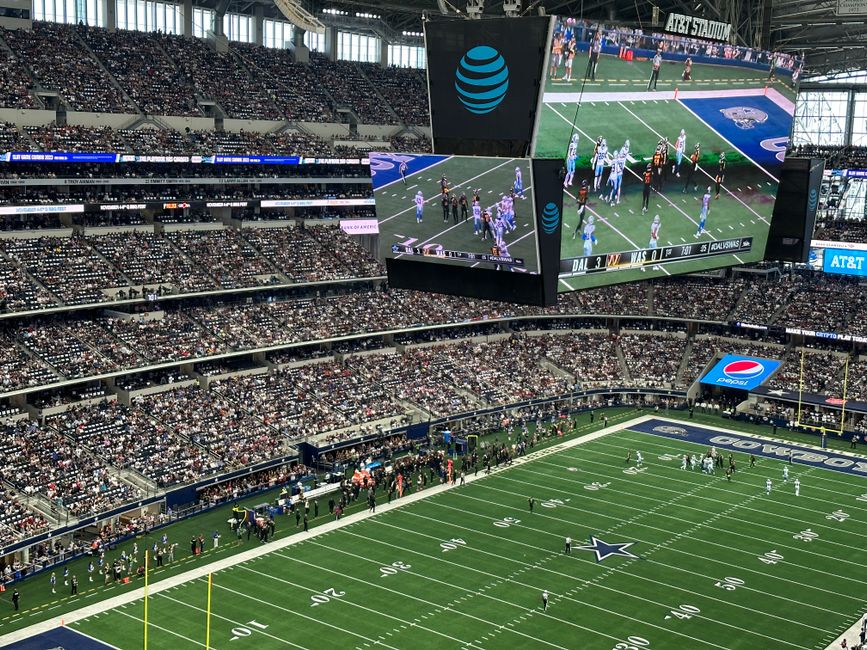
Football watch parties have built-in timing cues: kickoff, halftime, and the final whistle. Use them to create a schedule rather than trying to run a full-length board game over the broadcast. This works especially well for Super Bowl Sunday, when some guests want to watch every play and others are happy to socialize around the game.
Moment Hosting plan Before kickoff Welcome guests, settle coats and drinks, serve the messier snacks, and explain the evening’s end time. During the first half Keep the main activity simple: watch the game, chat, or play a short game that can pause cleanly. Halftime Refill the cooler, serve fresh food, and take a quick room reset while people are already moving. Second half or after the game Start a longer board game only if the group has agreed on the time and wants to stay focused. At the announced end time Stop, pack the game, and do the agreed-upon cleanup together.Keep the television at a volume people can comfortably talk over, and settle any volume changes between plays or during breaks—not in the middle of a tense turn. If a game requires concentration, choose a time when the broadcast is less central, or decide in advance that the game will pause for important moments. That prevents the familiar argument about whether the TV is too loud from taking over the table.
Choose Games for Time and Skill Mix
The fairest cleanup rule in the world won’t rescue a game that runs twice as long as everyone expected. Match the game to the time you actually have, the number of players, and how familiar people are with the rules. A short, accessible game is often a better fit for a mixed group than a sprawling strategy game that leaves newcomers lost and the football fans checking the score every few minutes.
For a mixed-experience group
Choose something with a short explanation, turns that move quickly, and room for conversation. Cooperative games can be a good choice when you don’t want one person to feel targeted by a loser-only cleanup penalty. Party games can work well for larger groups, especially if people are arriving at different times. Before you start, explain how long the game usually takes and whether it’s easy to join after a round begins.
For a focused game night
If everyone is eager for a longer strategy game, set aside enough uninterrupted time. Give the rules explanation before snacks are in play, answer questions, and make sure players understand the expected length. For a group with varied skill levels, consider a game where experienced players can help explain choices without dictating them. No one enjoys feeling that their first loss was caused by a rule they didn’t understand.
- Check the player count and expected play time.
- Ask whether guests want a relaxed, social game or something more competitive.
- Choose one main game and one short backup instead of opening every box.
- Plan snack breaks around the game, especially if it uses cards or small components.
- Stop at the end time you announced, even if the score is close.
A Better Version of the Loser Leads Cleanup Rule
Here’s a version I’d happily use: the loser leads a two-minute cleanup, and everyone takes one task. The loser stacks the game components and calls out the next steps. Each guest clears their own glass, moves their plate to the kitchen, or gathers a few loose items. The host handles anything that requires special knowledge, like packing delicate pieces back into the right compartments.
For a tie, rotate the leader to the next person, or make the host the cleanup captain. If the game is interrupted by a football break, use that pause to collect cups and reset the snack area. And if someone genuinely doesn’t want a cleanup role, don’t make a public spectacle of it. The aim is a cheerful finish, not a new way to embarrass a guest.
Keep Cleanup Lighthearted
The fairest approach is to make cleanup part of hosting, not a consequence of losing. Guests can help because they’re part of the gathering; the loser can have a small, silly leadership role because that adds to the fun. Those ideas fit together as long as the task is brief and everyone knows what they’re agreeing to.
So yes, the loser leads cleanup rule can be fair—but only when “leads” doesn’t mean “does it all.” Put coats in a designated spot, keep drinks away from the board, choose food that suits the game, and contain the evening in one room when space is tight. Here's a story that illustrates this perfectly: thought they could save money but ended up paying more.. Use football breaks to reset, pick games that match the group’s time and experience, and announce the end time before play begins.
Then, when the final turn is over, the loser can call, “Two-minute reset!” Everyone grabs a glass or a game box, the table comes back into view, and you get to end the night as a host—not as the only person cleaning up after one.