Is a Monogrammed Card Case a Safe Gift for Men?
A monogrammed card case can be a thoughtful, useful gift—but it is not automatically a safe one. The best version fits how the recipient actually carries cards, uses leather that is described clearly, and has initials applied in a way that suits his style. The risky version is a slim-looking case that bulks up when loaded, has vague material claims, or arrives with a monogram he would never choose for himself.
If you are shopping for someone picky about everyday carry, the details matter. I check product pages for the leather grade wording, inspect photos for stitching and edge finishing, and read warranty pages before I buy. I also ask how initials are applied. “Personalized” can mean anything from a subtle deboss to bright foil—and those options will age differently.
Think about it: so, is a monogrammed card case a safe gift for men? usually, if you choose carefully and leave room for his preferences. Here is how to make that decision with confidence.
Why a Card Case Can Be a Good Personal Gift Idea
A card case occupies a sweet spot between practical and personal. It is small enough to be used every day, but a monogram can make it feel more considered than a generic accessory. When he reaches for it to pay for coffee or dinner, he may pull it out when paying dozens of times a week. That gives a useful gift plenty of chances to earn its place in his routine.
It can also be less risky than buying clothing, a watch, or a larger leather bag. You do not have to guess at sizing, and a simple card case can suit a range of ages and wardrobes. Still, the format is not right for everyone. Some men carry a full wallet, several loyalty cards, cash, and receipts. A slim case may frustrate them rather than simplify their load.
Start with how he carries his essentials
Before choosing a design, think about what is already in his pockets. Does he use a slim wallet, a bulky bifold, or a phone wallet? Does he carry business cards or mostly payment cards? A card case is a safer bet for someone who already favors minimal everyday carry. If he regularly has a stack of cards and folded bills, a compact wallet with a bill compartment may be the more considerate option.
- Minimalist: A slim case with a few slots may suit someone who carries only essentials.
- Practical maximalist: Look for a design with enough room for his usual cards and some cash.
- Cash user: Check whether the case has a secure bill pocket or whether it is cards-only.
- Frequent traveler: Consider whether he needs space for an ID, transit card, or extra payment card.
Do not assume that the thinnest design is the most practical. A case that looks elegant empty may become difficult to close or uncomfortable in a front pocket when filled. Check the listed capacity, but treat it as a guide rather than a guarantee. Real card thickness varies, and many people carry more than Find more information they think.
Check the Leather: Specifics Beat Attractive Labels
Leather terminology is one of the first things I look at on a product page. “Premium leather,” “genuine leather,” and “luxury leather” may sound reassuring, but they do not tell you enough about the hide or its finish. Look for a clear description of the leather grade and construction. Full-grain leather is a specific, useful term: it refers to leather that retains the hide’s grain surface rather than having that surface sanded away to remove imperfections.
That does not mean full-grain is automatically the right choice for every buyer. It can show natural marks and develop a patina as it is handled. Some people love that evolving character; others prefer a more uniform appearance. A coated or corrected surface may look more consistent, although the product page should explain what you are buying instead of leaning on vague quality claims.

What to look for on a product page
- Leather grade wording: Does the page say full-grain, top-grain, or another specific type, or does it stop at “premium leather”?
- Finish: Is the leather described as natural, coated, embossed, or otherwise treated?
- Construction: Are stitching, lining, and pocket details explained?
- Photos: Can you see the edges, seams, and interior clearly, or only polished lifestyle images?
- Care guidance: Does the brand offer useful advice for maintaining the material?
Close-up product photos can tell you things the headline cannot. Look for straight, even stitching and tidy corners. Check whether the edge finish appears smooth and consistent, especially around slots where repeated use can create friction. Photos are not a substitute for handling the item, but they can help you spot care—or a lack of it—in the finishing.
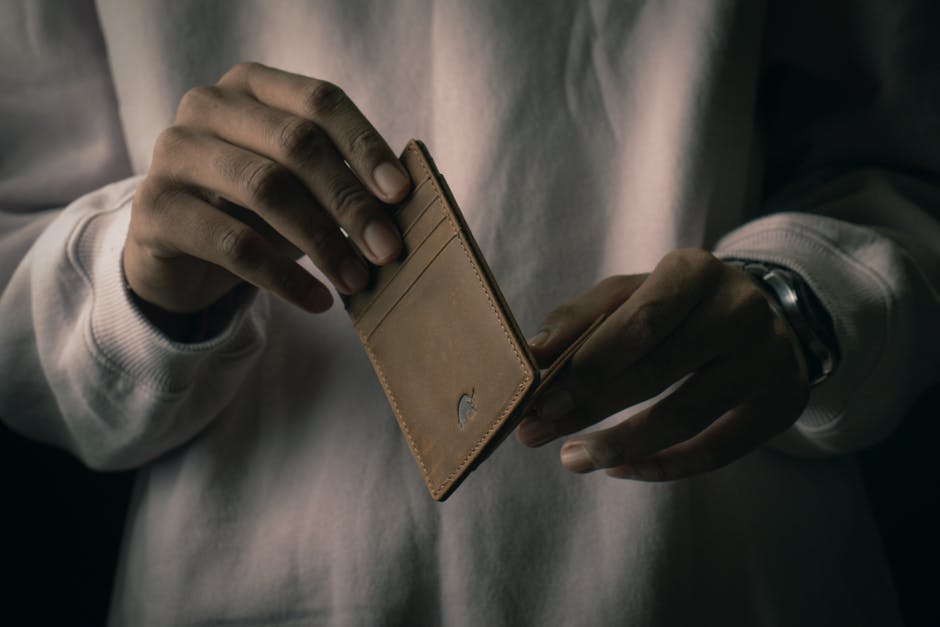
Brands such as Von Baer, Saddleback Leather, and Leatherology are worth comparing when you are shopping for a leather card case. Do not choose on brand name alone: open the specific product pages and compare leather-grade wording, dimensions, slot layout, personalization choices, and return terms. Product lines can differ, and the details on the item you are considering matter more than a broad reputation.
Daily Carry Practicality Matters More Than Looks
A card case is successful when it works with the recipient’s habits. Consider whether the slots are easy to access, whether the case is likely to stretch with use, and where he keeps it. Front-pocket carry favors a slim shape with smooth edges. Someone who puts a wallet in a jacket or bag may be comfortable with a roomier design.
Pay attention to dimensions and capacity. A case with a few card slots may be perfect for someone who has moved most of his cards to a phone. It may be a poor match for someone who still carries a driver’s license, work ID, transit pass, insurance card, and several payment cards. If you can discreetly count the cards in his current wallet—or ask someone close to him—you can avoid guessing.
Also check whether the case has a center pocket, an ID window, or a separate bill section. Each feature adds convenience for some people and bulk for others. A clear ID window, for example, makes access easy but may not appeal to someone who prefers a clean, minimal look. The goal is not to buy the case with the most features; it is to buy one that fits his actual everyday carry.
Monogramming: Ask How the Initials Are Applied
A monogram can turn a useful object into a personal gift idea, but it is the part most likely to make the gift feel too specific. Before ordering, check the available characters, placement, font, size, and color. Then ask exactly how the initials are applied.
Common personalization methods
- Debossing: The initials are pressed into the leather, leaving an impression. It is often understated, though its visibility depends on the leather and the depth of the mark.
- Foil stamping: Heat and foil add a colored or metallic mark. It can be more visible, but the foil’s appearance may change with friction and wear.
- Embossing: The design is raised rather than pressed inward. Ask how the effect is made and how it looks on the chosen leather.
- Engraving or other methods: The term can refer to different processes. Ask the seller what the technique means for leather specifically.
Initials pressed into leather are not the same as initials printed on top of it, and neither method is a guarantee against wear. Placement matters, too. A mark on an exposed corner or high-friction area may see more rubbing than one placed inside. Before you order, ask the company how the initials are applied, whether the process is permanent, and what the expected wear looks like over time.
This is also where restraint helps. A small set of initials in a discreet location is generally a safer choice than a large, high-contrast monogram. If you are uncertain about his taste, choose a subtle option—or skip personalization. A monogram should make the card case feel like his, not like a decision he has to work around.
Read the Warranty and Return Terms Before You Personalize
I read warranty pages the way other people read reviews. Warranty language can reveal how clearly a company explains its responsibilities and what it considers normal wear. Look for readable warranty terms that explain the coverage period, what defects are covered, how to make a claim, and whether repair or replacement is offered.. Pretty simple.
Pay particular attention to exclusions. Normal wear, accidental damage, misuse, and changes in leather appearance may not be covered. That is not necessarily unreasonable, but it should be explained plainly. A warranty is useful only if you can understand what it promises.
Monogramming can affect your options if the gift is not quite right. Personalized products may be excluded from ordinary returns or exchanges, depending on the seller’s current policy. Check those terms before submitting initials—not after the case arrives. If the recipient’s preferred initials, name order, or monogram style is uncertain, a non-personalized case may be the safer first step.
What to check Why it matters Question to ask Leather description Vague labels do not identify the material clearly. What leather grade and finish does this specific case use? Capacity and dimensions A slim case may not suit a full everyday load. How many cards does the design comfortably hold? Monogram method Different methods create different looks and wear patterns. Are the initials debossed, foil-stamped, or applied another way? Warranty and returns Personalized items may have different return terms. What is covered, and can a monogrammed case be returned?When a Monogrammed Card Case Is—and Is Not—a Safe Gift
It is a safer choice when the recipient already carries a slim wallet, appreciates leather goods, and is comfortable with a personal detail. It is especially appealing if you know his preferred initials and can choose a subtle placement. A clearly described leather, practical slot layout, tidy finishing, and transparent warranty make the gift feel considered rather than merely branded.
It is less safe when you are unsure whether he carries cards at all, when he prefers a larger wallet, or when you have no idea whether he likes monograms. It is also a poor gamble if the product page avoids naming the leather, the photos hide the construction, or the seller’s warranty and return terms are difficult to understand.
If you are torn, buy the case without initials. You can give it with a note saying you would be happy to have it personalized once he chooses the style. That preserves the personal touch without asking him to live with a monogram he did not select.
A Quick Buying Checklist
- Match the format to his routine. Choose a slim card case for a minimalist, not for someone who carries a stuffed bifold.
- Read the product page closely. Look for specific leather-grade wording, useful dimensions, and clear construction details.
- Inspect the photos. Zoom in on stitching, corners, interior slots, and edge finishing.
- Ask about initials. Confirm the application method, placement, font, and likely wear before personalizing.
- Read the warranty and return pages. Make sure the terms are readable and check whether monogrammed items can be returned.
- Keep the design restrained. If you do not know his taste, subtle initials—or no monogram—are the lower-risk choices.
The Verdict
A monogrammed card case can be a safe gift for men when it buy it for life wallet reflects the way the recipient actually carries his essentials. The personalization makes it more meaningful, while a thoughtful leather choice and practical layout help ensure it gets used. But the details are not optional: full-grain leather is more informative than a vague “premium” label, a readable warranty is better than a sweeping promise, and knowing how initials are applied can prevent a disappointing surprise.
Compare the specific product pages from brands such as Von Baer, Saddleback Leather, and Leatherology rather than relying on a logo or a polished product photo. If the leather, construction, capacity, personalization method, and return terms all make sense, you have a genuinely useful personal gift idea—one he can comfortably carry every day and pull out when paying.