How Do I Judge a Watch Beyond the Dial and Brand Name?
When shopping for a luxury timepiece, it’s tempting to focus solely on what you see at first glance — the dial design, brand reputation, or flashy marketing. You’ll hear Rolex, Omega, and other bracelet vs strap comfort big names thrown around, and sometimes that’s enough to make a decision. But as someone who’s spent 12 years immersed in pre-owned luxury watches—from serving customers on Japan’s Nakano watch district floors to now curating buyer’s guides—it’s clear a great watch is so much more than a pretty face and a famous logo.
In this article, I'll help you develop an eye for engineering quality, reliability signs, and the subtle yet critical craftsmanship details that elevate a watch from merely functional to delightfully enduring. Plus, I’ll mention how platforms like The Watch Company (TWC Japan) and their TWC Blog can deepen your knowledge and exploration beyond the surface, much like how smart tools such as the mobile gaming platform MrQ enrich the user experience by emphasizing seamless performance and thoughtful design.
1. Craftsmanship Beyond Function
It’s a common misconception to evaluate watches only by their complications or water resistance specs. Of course, these are important, but true quality begins in how these functions are put together and how they serve your daily life over years, not just on paper.
The Smoothness of the Crown
Always start here — the crown is your daily interface with the movement. Brands like Rolex are famous for their screw-down “Triplock” crowns ensuring superior water resistance, but just as important is how precisely the crown turns. Does it click gently and firmly through each position? Does the feel inspire confidence when setting the time? If a crown feels loose or gritty, that’s a red flag for subpar assembly or wear.
Bracelet and Case Balance
Holding the watch uncovers another layer of quality: balance. Is the bracelet hefty and well-finished without being cumbersome? Does the clasp snap securely with a reassuring click? The Omega Seamaster, for example, offers a well-engineered clasp that feels both secure and effortless, an underappreciated sign of thoughtful design decisions upstream in engineering and QC.
2. Upstream Quality: Design to Quality Control (QC)
True durability doesn’t happen by accident. A reliable watch is the product of a long chain of small decisions—from initial design, materials selection, machining precision, assembly, and rigorous QC. Every stage matters.
- Design: Look beyond dial aesthetics. How are the lugs shaped? Do the polished and brushed surfaces transition cleanly? These are clues to careful 3D modeling and finishing techniques that take time and skill.
- Materials: Stainless steel quality varies widely. The best mid-range watches use 316L or better 904L steel, famed for scratch resistance and corrosion proofing. Rolex’s exclusive use of 904L is a classic example.
- Assembly: Quality inscriptions like “Swiss Made” or “Japan Made” don’t guarantee a perfect build but combined with visible smoothing on edges and perfect dial alignment, they reinforce positive signs.
- QC Process: Top brands conduct multi-stage QC — timing tests, shock resistance, pressure tests. While you won’t see these directly, you can research how stringent a brand’s QC is. The Watch Company’s expert reviews often highlight these manufacturing nuances via detailed analysis.
3. Reliability and Long-Term Value
A watch's value, in terms of your daily use and ownership satisfaction, hinges on reliability. This isn’t about resell price speculation (too often called “investment” jargon) — it’s about how long the watch will serve consistently with minimal hiccups.
- Movement Quality Indicators: Look for well-regarded calibers with reputations for robustness. Rolex’s in-house movements are heralded for their balance of precision and durability, whereas Omega’s Co-Axial escapements reduce friction and long-term wear.
- Serviceability: Watches built with modular movement parts rather than glued components tend to last longer. Accessibility of spare parts and quality of authorized service centers also matter.
- Wear Resistance: Scratches and dings happen in real life. Watches that use hardened steel, sapphire crystals with anti-reflective coatings, and ceramic bezels score points for daily resilience.
4. Invisible Details That Enhance User Experience
Some of the most significant quality markers are the invisible or easily overlooked details that define how a watch feels every day.
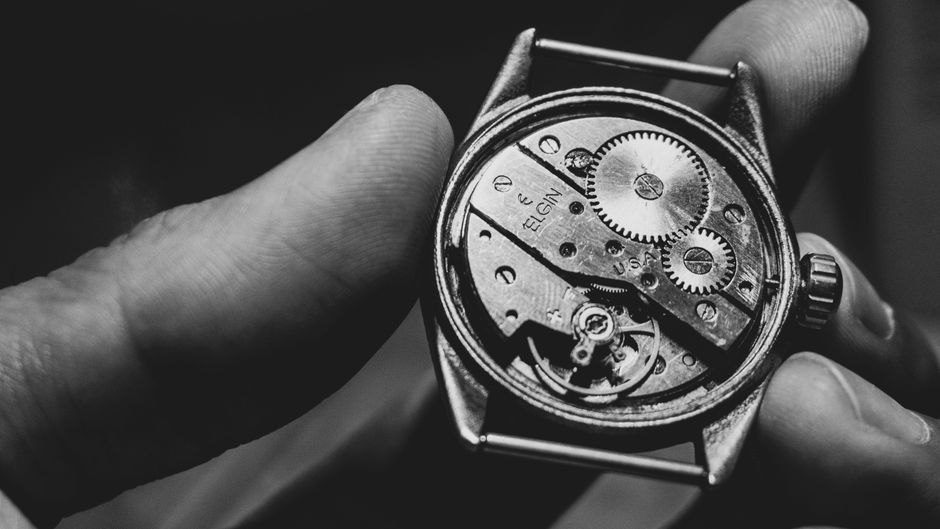
Case Back Finishing
A polished and carefully engraved case-back, with clean edges and uniform brand markings, signals that no shortcut was taken behind the scenes. While some brands hide movements behind simple steel backs, those that display finely decorated movements also show pride in their craftsmanship.
Dial and Hands Alignment
Misaligned hour markers or hands, uneven lume application, or dust under the crystal indicate inadequate QC. These elements can escape photo filters but ruin real-life enjoyment and reliability.
Sound and Feel of the Movement
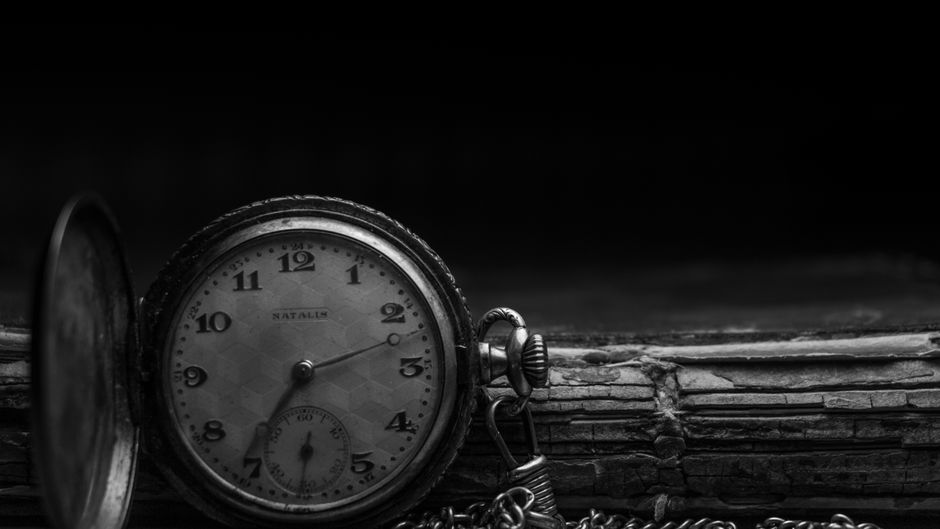
Remove the watch close to your ear and listen. A gentle, consistent tick without rattling or grinding noises is a positive sign. The winding feel—neither too loose nor overly stiff—also speaks volumes about engineering quality.
Where to Learn More: Trusted Resources and Tools
If you're ready to explore these deeper nuances, consider these resources:
- The Watch Company (TWC Japan) — Their detailed listings go well beyond specs, focusing on condition, movement health, and provenance. Their TWC Blog is a fantastic educational resource on quality cues and buying advice.
- MrQ Mobile Platform — While a mobile casino, the platform’s focus on seamless, reliable user experience is a great analogy for what you should seek in a watch’s day-to-day performance: fast, smooth, and dependable.
Summary Table: Signs of Engineering Quality and Reliability in Watches
Aspect What to Look For Why It Matters Crown Operation Smooth, precise positions with firm clicks Confidence in setting and water resistance Bracelet & Clasp Balanced weight, secure snaps, quality finishing Comfort and durability in everyday wear Materials Quality 904L steel, sapphire crystal, ceramic bezel Scratch resistance and corrosion prevention Movement Well-known robust calibers, smooth ticking Accurate and long-lasting timekeeping Finishing Details Aligned markers, clean engravings, dust-free dial Indicates solid QC and overall quality Serviceability Modular parts, accessible spare components Lower maintenance costs and extended lifeFinal Thoughts
Judging a watch takes more than admiring its dial or nameplate. It’s about connecting with the chain of crafting choices lifted from design to final QC, understanding those invisible details, and noticing how the watch performs in your day-to-day. Whether you’re drawn to Japan’s trusted secondhand market through The Watch Company or comparing engineering benchmarks from Rolex and Omega, always look for those tangible signs of reliability and thoughtful construction.
The next time you’re tempted to pick a watch based solely on brand allure, remember: the real value lies in a well-engineered experience that lasts, feels right, and keeps its promise every day, quietly and reliably.